
Residential Proxies and Tinder for Business: What Works and What Does Not
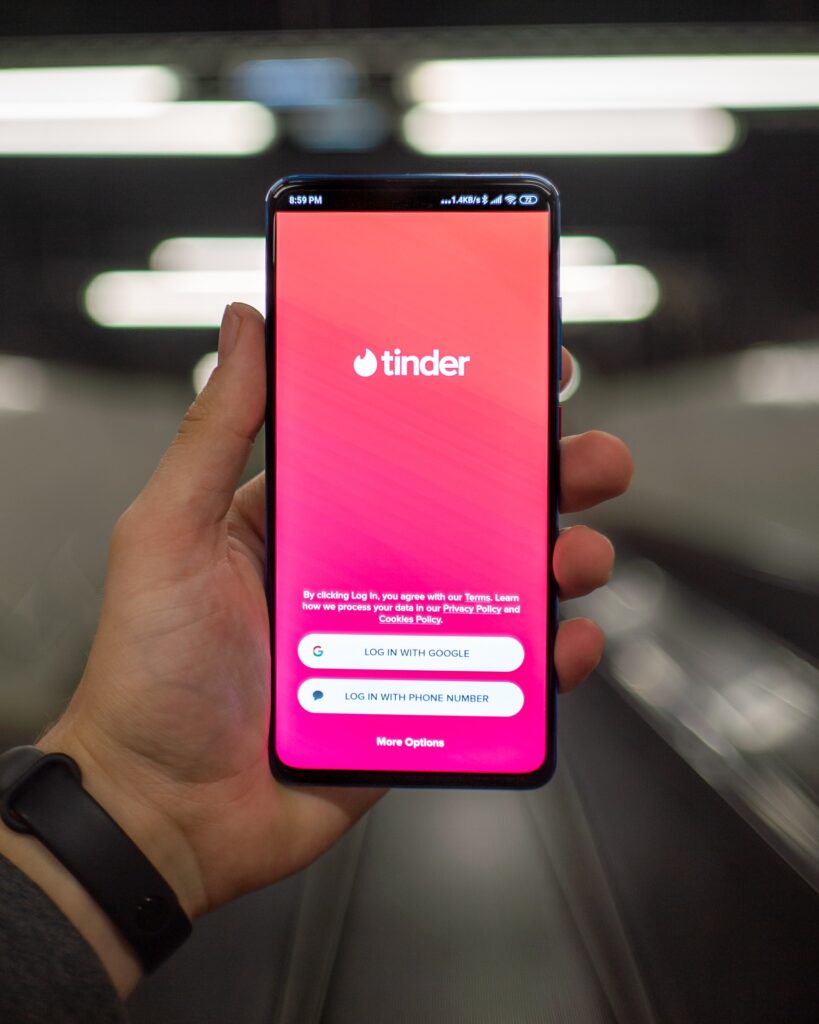
Tinder is one of the world’s largest dating apps, used in around 190 countries, which makes it interesting to brands, marketers and companies building dating products. But Tinder is a personal app with strict rules, and many “Tinder proxy” tactics found online break them. This guide explains what businesses can legitimately do around Tinder, where residential proxies actually help, and what to avoid.
Need local IPs for market research and ad checks? Get a trial on QuickProxy for only $1.99.
What Tinder allows businesses to do
Tinder’s terms treat accounts as personal: one real person, one account, no promotion, no automation. Fake or brand profiles, mass messaging and bots are removed, and the IP address they use makes no difference to that. The legitimate ways for a business to reach Tinder users are:
- Official advertising: Tinder sells native ad placements to brands through its parent company, Match Group, with targeting by market and audience.
- Partnerships and influencer marketing agreed directly with creators who mention your brand on their own channels.
- Market research using public information about the dating-app market, pricing and positioning.
Proxies don’t give access to anything inside Tinder that your own account doesn’t. Where they help is around Tinder: on the open web, in ads and in your own products.
Where residential proxies help
A residential proxy routes your requests through a home internet connection in the country you choose, so websites show you what local visitors see.
1. Ad verification in each market
If you advertise a dating-related product on Tinder or elsewhere, check that your ads and landing pages appear correctly in each country: the right language, offer, price and legal text. See ad verification with proxies.
2. Competitor and pricing research
Dating apps price subscriptions differently by country. Public web pages, app-store listings and review sites show how competitors position themselves in each market. Looking at them from local IPs shows the local version. See competitor price monitoring.
3. Testing your own dating product
If you build a dating app or website, test how location-based features, sign-up flows and payment pages behave for users in different countries before launch. See web testing with residential proxies.
4. Search visibility
If your brand competes for dating-related searches, track rankings country by country. See proxies for SEO.
What not to do
| Tactic | Why to avoid it |
|---|---|
| Creating several accounts or brand profiles | Breaks Tinder’s terms; profiles are banned, often with the devices and phone numbers behind them |
| Automated swiping or messaging | Treated as spam, and misleads real users |
| Collecting user profiles | Personal data of dating users is sensitive; scraping it breaks the terms and data protection law |
| Faking your location with a proxy | The app uses your device’s location, not only your IP. Tinder’s paid Passport feature is the official way to swipe in another city |
Privacy for individual users
For ordinary users, a proxy or VPN mainly protects the connection on public Wi-Fi. It doesn’t change what you share in your profile, and it doesn’t change your location in the app. For more, see how to hide your IP.
Conclusion
For businesses, Tinder is an advertising and research channel, not a place to run accounts. Use its official ad products and partnerships to reach users. Use residential proxies around it: to verify ads and landing pages by country, research competitors’ public pricing and positioning, test your own dating product and track search visibility. Keep away from multiple accounts, automation and data collection.
Check your campaigns from any country: start a $1.99 trial.
Questions and Answers
Q1: Can a business create a Tinder profile?
A1: No. Tinder accounts are for individuals. Businesses reach Tinder users through official advertising and partnerships.
Q2: Can I use a proxy to change my location on Tinder?
A2: Not reliably, and it isn’t allowed. The app uses your device’s location. Tinder Passport is the official way to change it.
Q3: How do residential proxies help with dating-app marketing?
A3: They show ads, landing pages, search results and public pricing as local users see them, so you can check campaigns and research markets country by country.
Q4: Will a proxy protect me from a Tinder ban?
A4: No. Tinder bans accounts for breaking its rules, whatever IP they use.
Related reading
Put the article into practice.
Spin up real residential IPs in 150+ countries. Pay once or subscribe — from $11.