
Sneaker Proxies: The Rules on Bots, and Legitimate Uses in the Sneaker Business
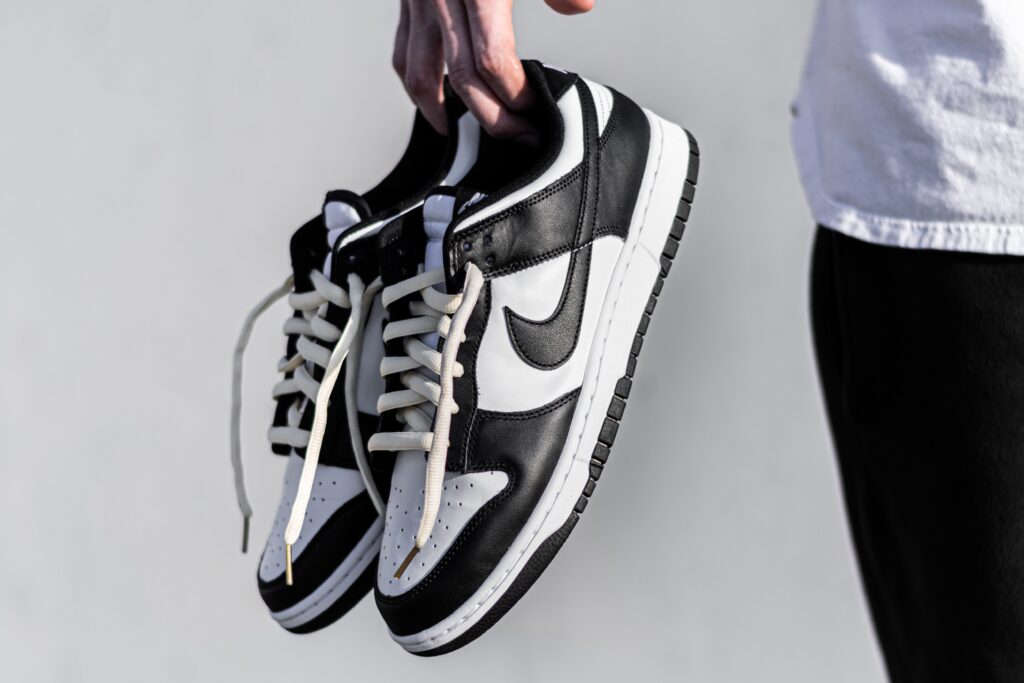
Sneaker proxies are usually sold as a way to win limited releases: run many accounts and bots through different IPs so that retailers can’t limit you to one pair. Retailers prohibit exactly that. Their terms limit bots, duplicate accounts and multiple raffle entries, and they cancel orders and close accounts when they detect them. This guide explains the rules, why the “secret weapon” pitch backfires, and the legitimate ways proxies help in the sneaker business.
Researching sneaker prices across markets? Get a trial on QuickProxy for only $1.99.
How limited sneaker releases work
- Raffles and draws: many brands and retailers pick winners at random, usually one entry per person.
- First come, first served: stock goes to the fastest checkouts, often protected by queues and bot detection.
- Membership apps: brands such as Nike use member accounts and app-based releases with their own rules.
Why bots and multiple accounts backfire
| Tactic | What usually happens |
|---|---|
| Many accounts or raffle entries on different IPs | Retailers link entries by payment card, address, phone, device and behaviour, then cancel them. |
| Checkout bots | Prohibited by most retailers’ terms. Orders are cancelled and accounts closed. |
| Address tricks to get around per-household limits | Flagged as fraud signals; orders are often cancelled. |
| Buying “cook groups” or bot packages | Expensive, against the rules, and the scene is full of scams. |
Some places are moving to restrict reselling bots by law, so the legal risk is growing, not shrinking. We don’t support using our network to get around retailers’ purchase limits.
Legitimate uses of proxies in the sneaker business
1. Resale price research
Resellers and shops track public prices on marketplaces in different countries to price their stock fairly. See competitor price monitoring.
2. Checking regional release pages
Release dates, prices and raffle availability differ by country. A local residential IP shows the page shoppers there see, which helps stores and media report accurately.
3. Brand protection
Sneaker brands find counterfeit listings and fake “release” shops that target buyers in specific countries. See brand protection.
4. Testing your own release experience
Retailers check that their release pages, queues and localised content behave correctly for customers in each market before a drop.
How to improve your chances, legitimately
- Enter official raffles from each retailer you trust, once, with your real details.
- Use brand membership apps, and keep your account in good standing.
- Follow trusted release calendars and local stores for in-store draws.
- Buy resale only from platforms with authentication, and compare prices before you pay.
How to set up price and release checks
- Choose the markets you care about from the available locations.
- Use a separate browser profile, logged out, and set the country in your proxy username, for example
username-cc-jpfor Japan. - Record prices, sizes, fees and release information with dates.
- Keep the pace modest, and respect each site’s terms. Use official data feeds where they exist.
Conclusion
Sneaker proxies aren’t a fair or reliable way to win limited releases. Retailers prohibit bots and multiple entries, and they cancel such orders. Proxies do help the sneaker business with resale price research, regional release checks, brand protection and testing your own release pages.
Research sneaker prices market by market: start a $1.99 trial.
Questions and Answers
Q1: Do sneaker proxies help you win releases?
A1: Using them with bots or multiple accounts breaks most retailers’ terms, and orders are often cancelled. Fair chances come from single, genuine entries.
Q2: Are sneaker bots legal?
A2: Laws vary, and some places are restricting them. Retailers’ terms almost always prohibit them regardless.
Q3: How do resellers use proxies legitimately?
A3: To research public resale prices and regional release information across markets.
Q4: Why was my sneaker order cancelled?
A4: Retailers cancel orders they link to duplicate accounts, bots or rule-breaking addresses. Contact the retailer if you believe it was a mistake.
Related reading
Put the article into practice.
Spin up real residential IPs in 150+ countries. Pay once or subscribe — from $11.